Brief and concept
Define the audience, objective, format and constraints first. Develop the idea and script next: what viewers see, how the video progresses and why the imagery fits. Agreement at this point concerns meaning. Discovering that an entirely different story is needed is more useful here than after all scenes have been produced.
Visual development and production
References and key images establish character, light, setting and materials. Scenes can then be developed and reviewed in motion. Recognisable people and precise products need suitable source assets early. In collaborative projects, define who handles filming, generation, sound and assembly.
- Agree on the main idea and script structure.
- Establish visual features and constraints.
- Test difficult action and recognition.
- Evaluate shots alongside their neighbours.
Separate responsibilities before the final edit
Do not assume a complete production by default. For Russian Toska, I handled direction, script, generation, voice, sound and editing; music is credited separately. For LIMB, my contribution was concept, script and AI generation, while others handled filming and the final edit. A new project’s workflow depends on the contribution it needs.
Review the export, including sound, lettering and every agreed format. A finishing note and a request to replace the story are different changes. Approval stages and delivered files are defined around the brief rather than a universal package.
Work and context
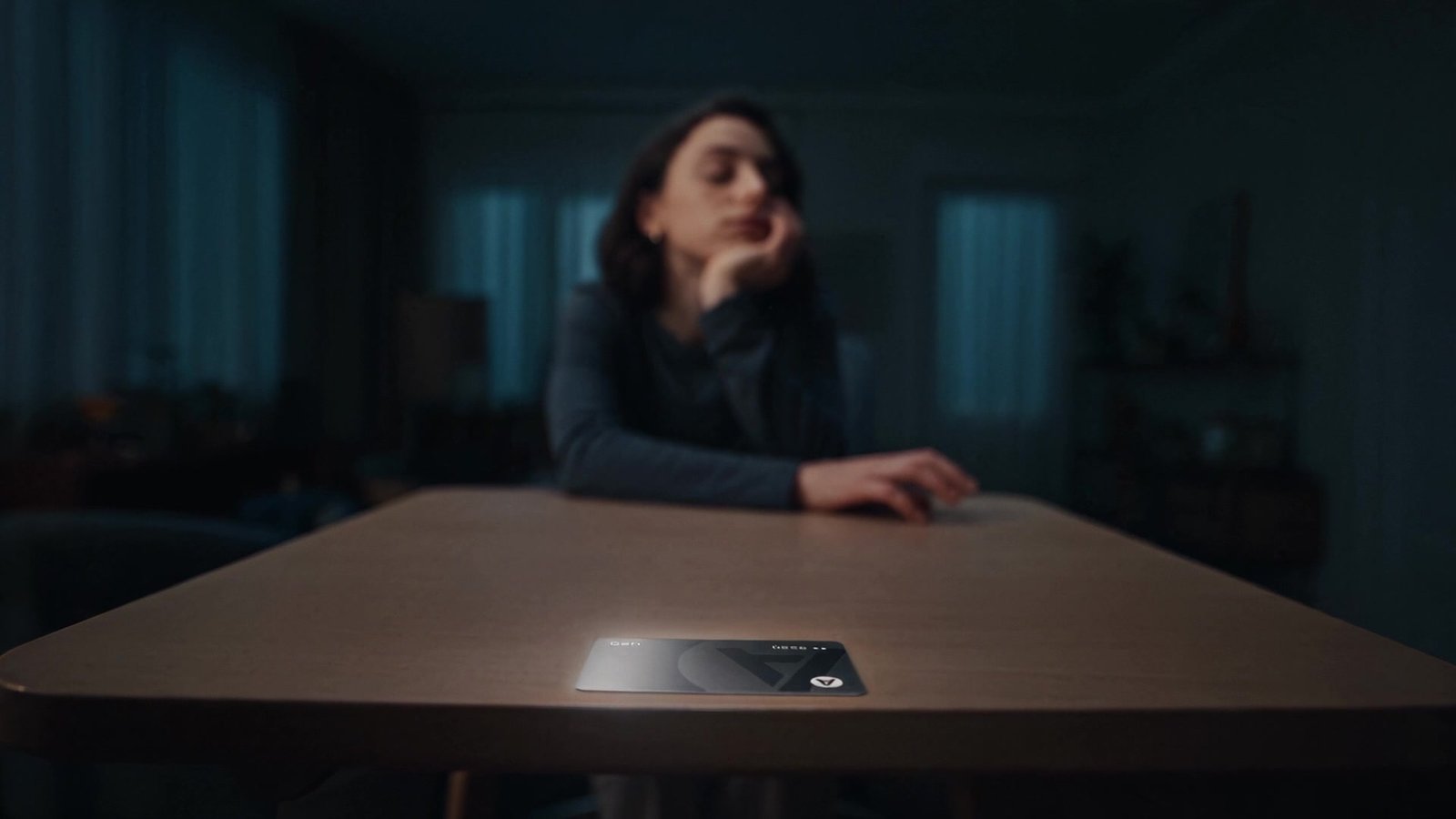
Altyn Broker ↗
The first-place entry in the Altyn Broker competition.
First place in the competition · Concept · script · AI generation · editing

Gunwest — Qalai Bauyrym ↗
The self-initiated music video that led to a collaboration with Gunwest.
Self-initiated project · Concept · artist’s visual identity · AI generation · editing
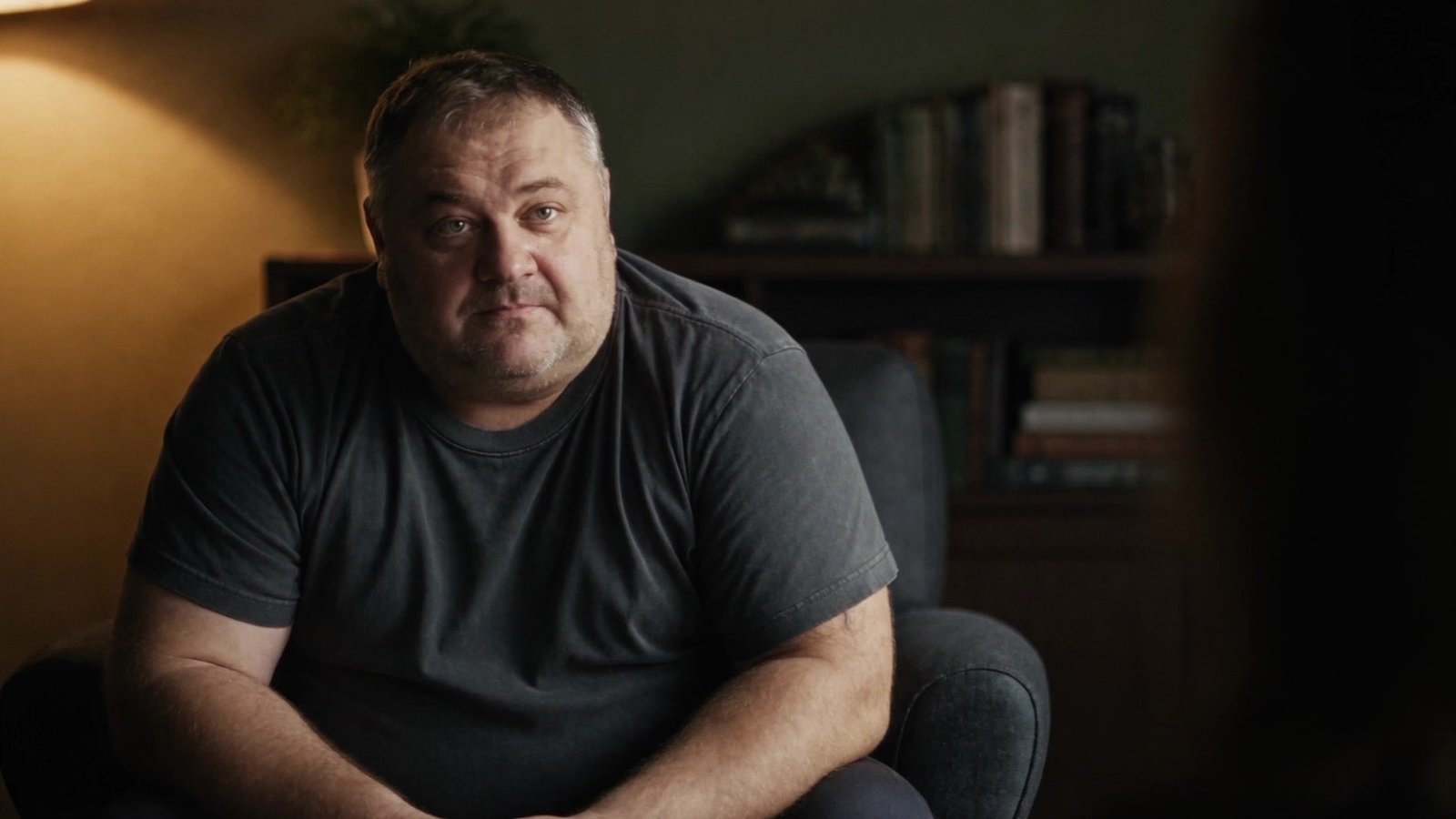
No One Ever Asked ↗
A film about routine, loneliness and the questions no one usually asks.
Personal project · Concept · direction · screenplay · writing · AI generation · voice and sound · editing
Questions and answers
Is production always strictly linear?
No. Tests can reveal a need to simplify or change a scene. What matters is understanding which decision is being revisited and why.
How many revision rounds are included?
There is no universal number. Approval stages and the scope of revisions need to be agreed for the specific project.
A guide from MRNSK: practical project planning, not a promise of a specific generation result.