Break an impression into specific qualities
Label references by function: lighting, palette, character, texture, space, camera movement or editing. Different sources can describe different qualities. You do not need one example that matches the entire idea. Searching for that perfect match can quietly turn original development into an attempt to reproduce someone else’s work.
Include negative references
Explain what is unwanted, such as glossy skin, arbitrary neon, decorative grime or a comedic tone. Distinguish materials: plastic, metal and real skin communicate through different visual features. Drips and highlights on a stylised portrait may describe its material rather than effects that should be transferred to a natural face.
- What each example contributes.
- Which details should not be repeated.
- Restrictions specific to the brand or person.
- Which assets are exact source material rather than mood references.
Resolve contradictions early
A reference built around slow observation and a demand for constant abrupt transitions can describe different films. Establish which qualities define the project and which are optional preferences before generating alternatives. Japanese television styling and 1990s cinema, both represented in MRNSK’s portfolio, are separate directions; liking both does not require combining them.
Work and context
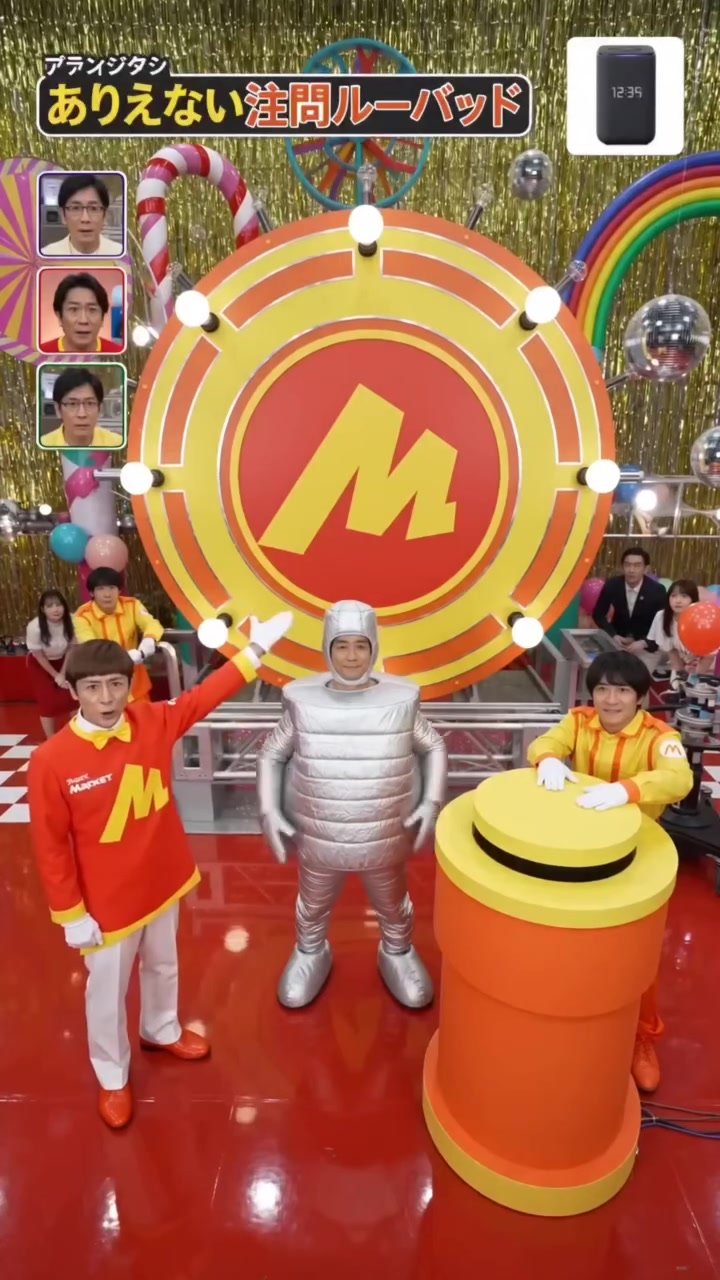
Yandex Market and Alice ↗
Yandex Market and Alice in the style of a Japanese TV show.
Self-initiated project · Concept · AI generation · editing
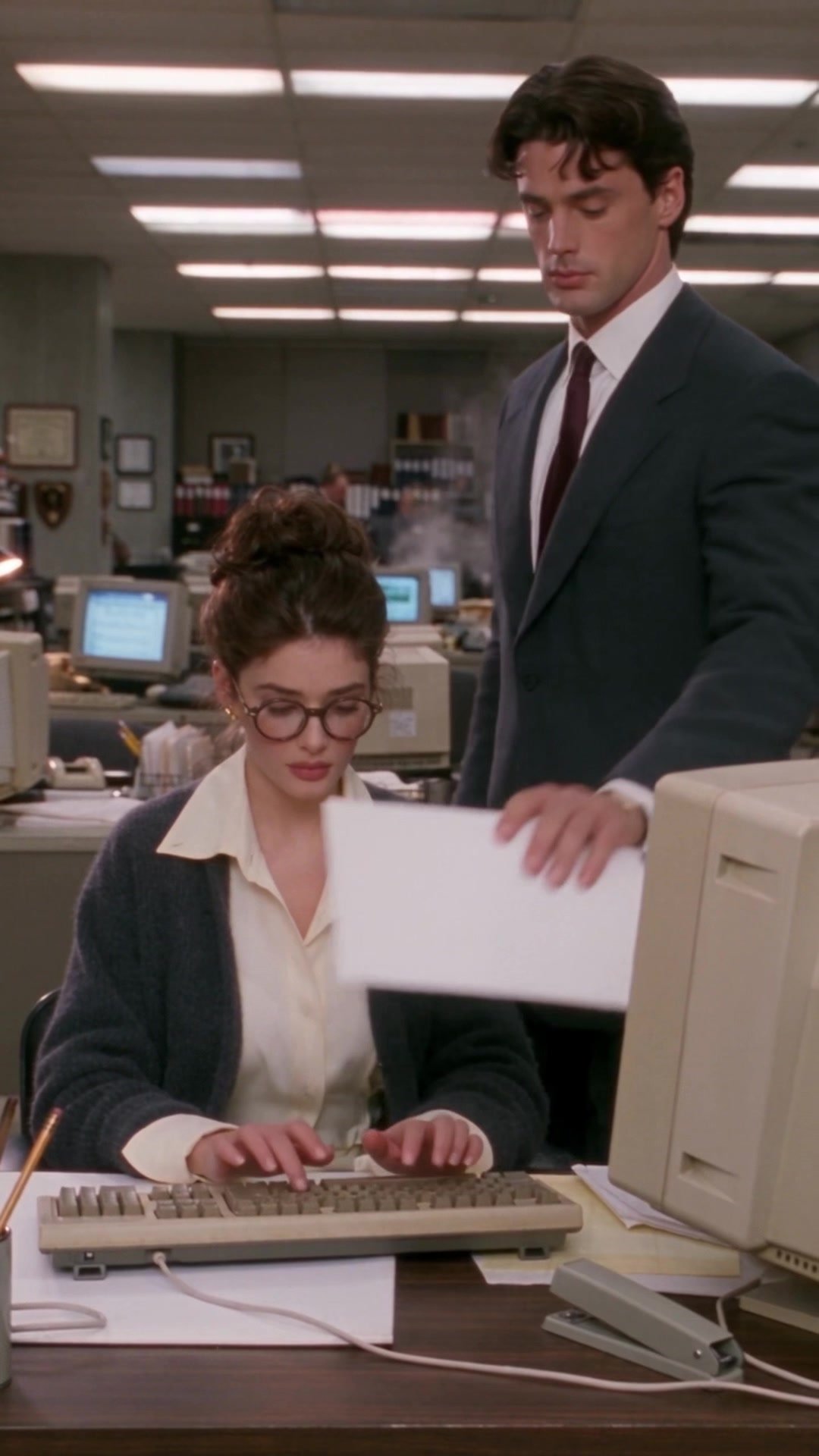
Office Romance ↗
An office romance in the style of 1990s and 2000s cinema.
Personal project · Concept · AI generation · editing
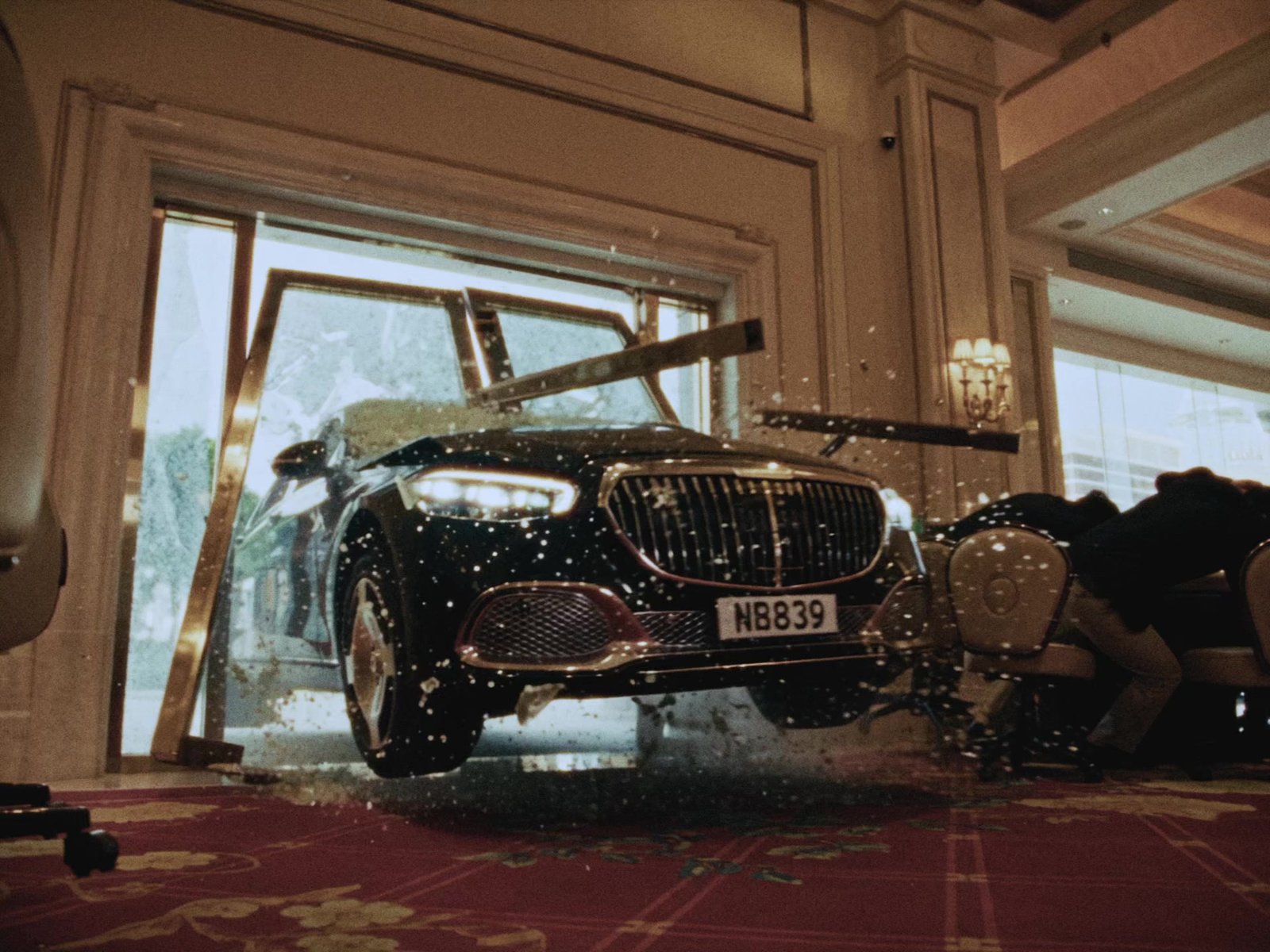
SKAI isyourgod — Stacks from All Sides ↗
A self-initiated snippet for “八方來財” (Stacks from All Sides).
Self-initiated project · Concept · AI generation · editing
Questions and answers
How many references should I supply?
There is no fixed number. A few clearly annotated examples are more useful than a large folder of conflicting images.
Does a reference mean copying?
No. It supports discussion of particular qualities. The final idea, composition and identity should serve the new project.
A guide from MRNSK: practical project planning, not a promise of a specific generation result.