Show the person from several angles
Front, three-quarter and profile photographs can help describe a recognisable character. Keep the face visible without heavy blur, filters or obstructions. Provide references for details that are easy to lose, such as tattoos, jewellery, hair and clothing. These assets are useful constraints, not a guarantee of an automatic match through every movement.
Send source files when available
An original image is preferable to a social-media screenshot or repeatedly compressed copy. Products need references for their shape and markings. Existing footage needs a shot list and a clear explanation of what may change. Supply material that can be used for the project and explain restrictions around depicting real people.
- Organise assets in a clearly named folder.
- Identify mandatory details and the intended appearance.
- Mark outdated or unsuitable photographs.
- Distinguish exact identity assets from mood references.
Define filming responsibilities separately
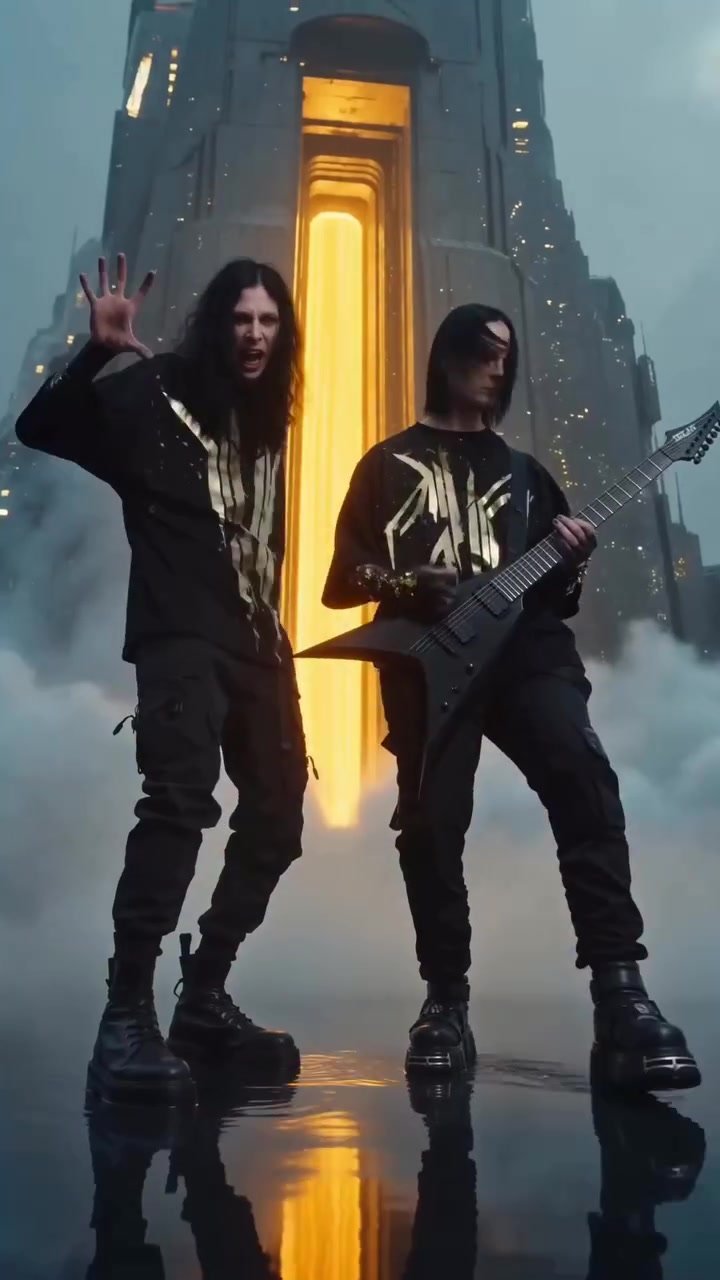
Working with source photography and video is not the same as offering a shoot. MRNSK does not provide traditional photography or live-action filming; required material is prepared by the client or another team. LIMB, for example, combines generated scenes with live-action footage, while other contributors handled filming and the final edit. Establish these responsibilities before production.
Work and context
Questions and answers
Is one photograph enough?
It may suit a limited task, but several clear views provide more information. The required set depends on the scene.
Can I use footage my team already shot?
Yes, that can be discussed. Identify the relevant shots and the changes the project needs.
A guide from MRNSK: practical project planning, not a promise of a specific generation result.