Build a character reference checklist
Record facial shape, hair, apparent age, clothing, accessories and body proportions. A real person benefits from clear references from several angles. Some details carry more identity than others; a distinctive tattoo or piece of jewellery should not be reinvented in each generation. Use the reference sheet as a review tool rather than a long poetic description.
Review more than the opening frame
Recognition can drift during a head turn, occlusion, change in framing or movement. Watch the complete shot and compare its joins with neighbouring shots. Check clothing and proportions separately. A familiar face does not compensate for an unexpectedly different costume. Reference material makes the task clearer but does not remove the need for selection and correction.
- Face and defining details.
- Clothing, jewellery and tattoos.
- Proportions and scale within the environment.
- Continuity between neighbouring shots.
Avoid complexity without a story purpose
If the scene does not need a difficult turn or object interaction, adding it only to demonstrate capabilities creates unnecessary risk. Staging can keep important features readable. In a narrative piece such as No One Ever Asked in the portfolio, maintaining the character matters more than variety at any cost. This is a planning principle, not a promise of perfect one-click consistency.
Work and context
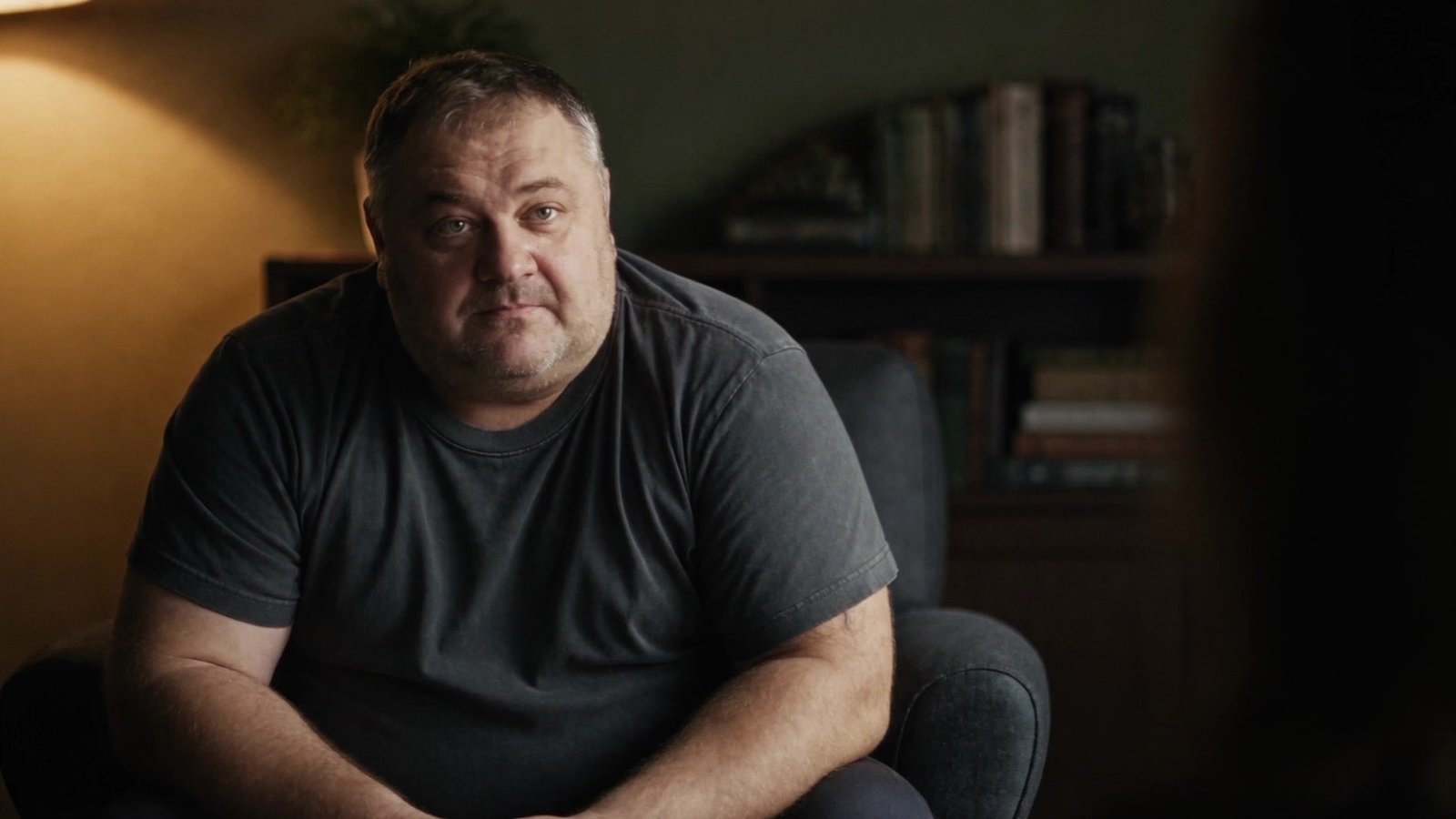
No One Ever Asked ↗
A film about routine, loneliness and the questions no one usually asks.
Personal project · Concept · direction · screenplay · writing · AI generation · voice and sound · editing
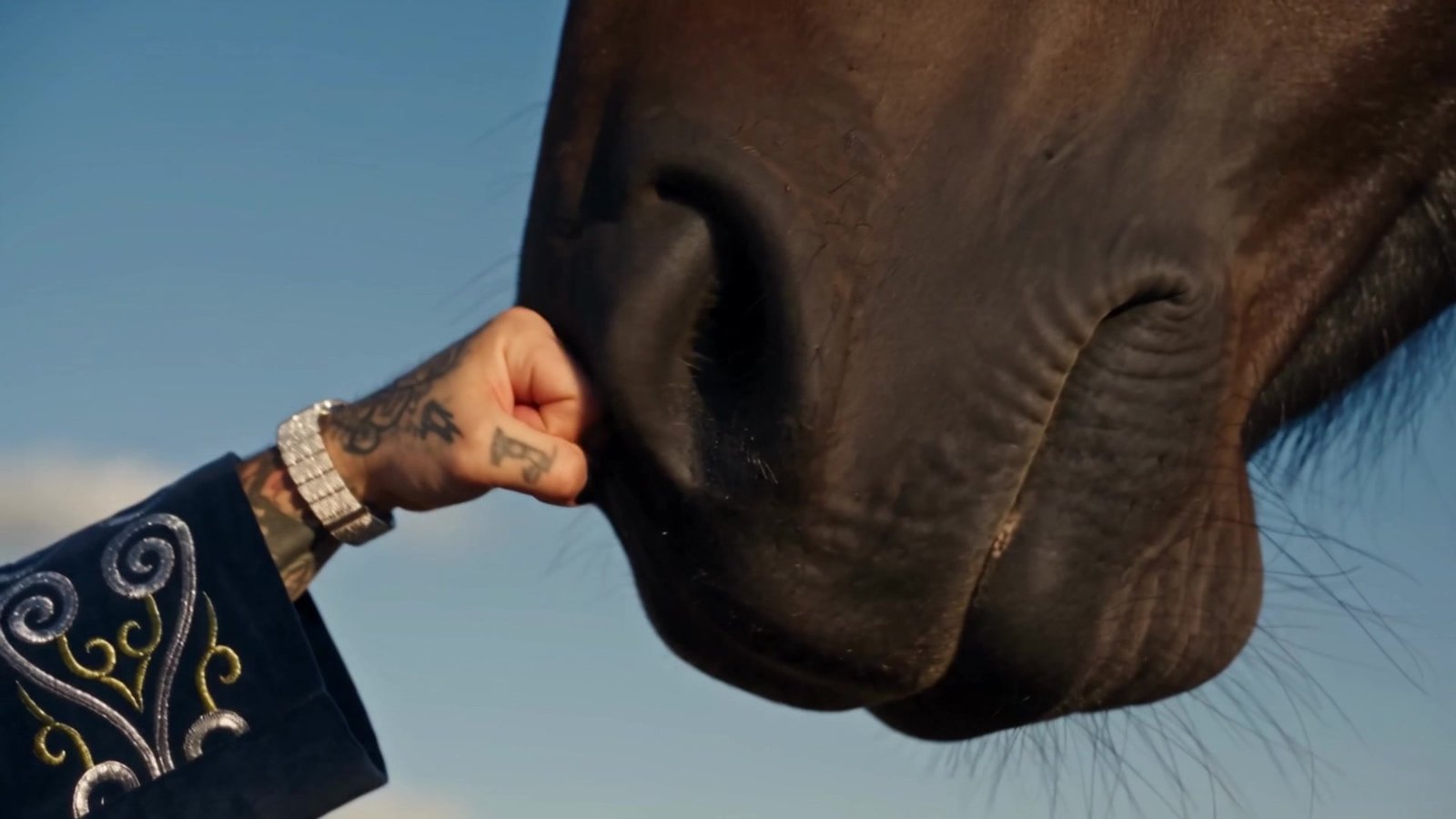
Gunwest — Qalai Bauyrym ↗
The self-initiated music video that led to a collaboration with Gunwest.
Self-initiated project · Concept · artist’s visual identity · AI generation · editing
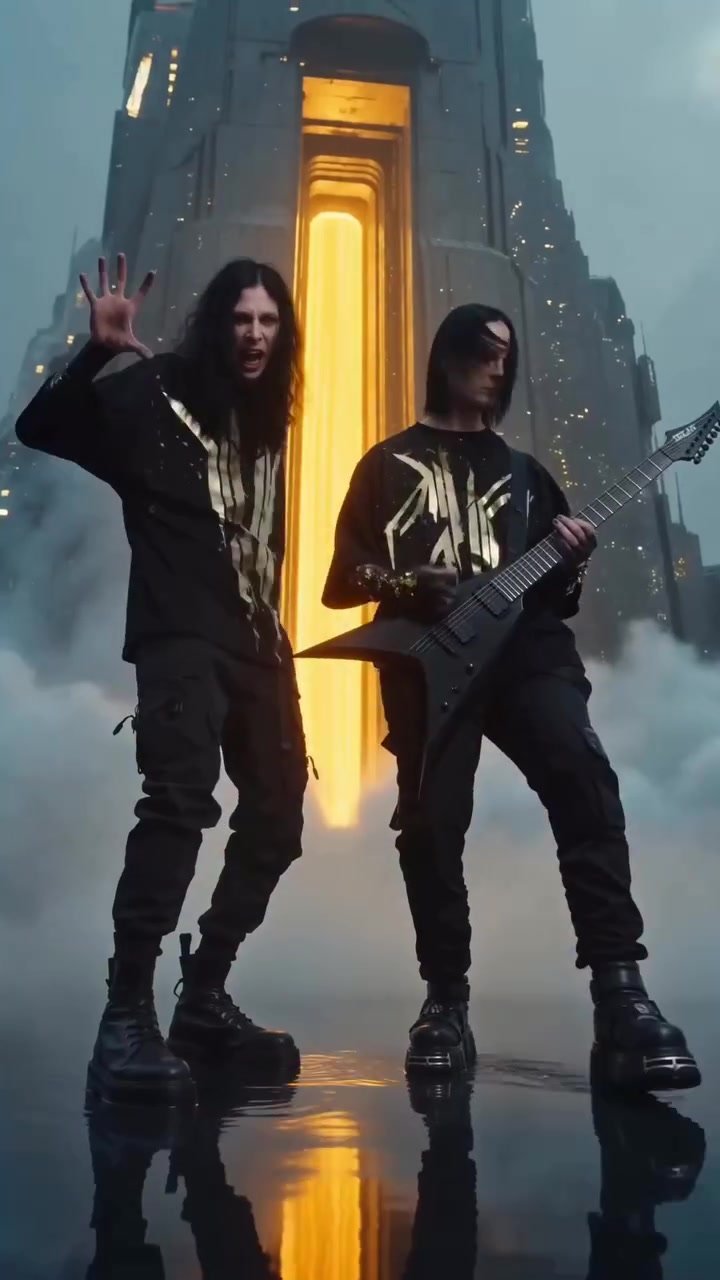
NEBO — LIMB ↗
AI visuals for a music snippet by NEBO.
Artist commission · Concept · script · AI generation
Questions and answers
Does repeating the same description guarantee the same face?
No. Repeated text cannot replace visual references, comparison between scenes and careful selection.
Must every shot show the face?
No. Wider views, environmental details and action can support the story while reducing unnecessary identity challenges.
A guide from MRNSK: practical project planning, not a promise of a specific generation result.